

Miso Spaghetti
A simple yet decadent pasta dish bursting with cheesy creaminess and umami. A take on a traditional Roman Cacio e Pepe that will have you going back for more and more. Since we’ve already diverged from tradition, this pasta is a wonderful base from which to experiment with ingredients you already have in your fridge or pantry. A sprinkle of chilli heat from crushed chilli flakes or a dollop of the undeniably delicious and fiery Umami Papi chilli oil. Chop up some seaweed snacks for garnish or use a green herb of choice. Include some greens as the final step or step up the umami another layer and mix in some mushrooms.
Our miso obsession is growing by the day, as is our miso range in the Wholesome pantry. We used certified organic white miso paste from Carwari, made in Australia with 100% Australian ingredients and organic.
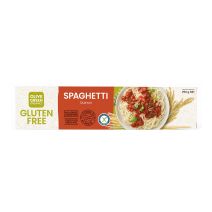
In this recipe we used certified organic spaghetti from Girolomoni. For a gluten free option our go-to Quinoa and Rice Spaghetti from the Olive Green Organics range.
Time: 30 minutes
Yields: 4 servings
Ingredients
- 500g spaghetti (linguine or bucatini work well too)
- 6 tablespoons unsalted butter or ghee
- 4 tablespoons white miso paste
- 1 cup (about 100g) parmesan or pecorino romano (finely grated), plus more for garnish
- 1.5 cups reserved pasta water
- A couple sheets of nori or dried seaweed snacks, thinly sliced (optional)
- ½ teaspoon fresh ground pepper (more to taste)
- Salt to taste
Method
- Bring heavily salted water to a boil and add the spaghetti. Cook until just al dente. Reserve 1 ½ cups pasta water, strain and set the pasta aside.
- Place butter in a sauce pan and once melted add the miso and whisk until combined.
- Lower the heat to low and add the still warm pasta water to the butter and miso mixture, mix until combined and add the cheese. Whisk vigorously until the sauce is smooth and velvety.
- Add pasta and freshly ground pepper and toss together. Add salt if needed. Sauce should coat the pasta and be creamy but not thin and watery.
- Serve into warm bowls and add a sprinkle of cheese and seaweed (or your topping of choice).
Notes
A sprinkle of red chilli flakes, a handful of spinach or kale or sliced shitake mushrooms would also go brilliantly with this dish, adding an extra layer of depth and texture.
Miso, a Japanese condiment typically made of fermented soybeans, is as rich in umami as it is in nutrients contributing to stronger immunity and improved digestion. Miso is quite versatile, and the different styles of miso are suited to different recipes and dishes. The main difference between the different types of miso is the length that each type is fermented, with what it has been fermented, and the ratio of soybeans to koji (the grains or soya beans that have been inoculated with a fermentation culture).
While miso tends to be identified by colour, there are over 1,000 varieties of miso produced in Japan and around the world. For this recipe we used white miso as it has a lovely, delicate flavour. The main types of miso (by colour) are:
- White miso - fermented for a shorter time and with a larger percentage of rice. It is typically milder and more delicate in flavour and goes perfectly in salad dressings and lighter style dressings and condiments.
- Yellow miso - fermented slightly longer than white miso and with barley and some percentage of rice. It has a mild, earthy flavour and is very adaptable to a range of dishes.
- Red miso - enjoys a longer fermentation with barley and other grains. It has a deep umami flavour compared to white and yellow miso. It is enjoyed best more sparingly and in heartier dishes such as soups, stews and marinades.
Shop the story